Rafting is a low-risk activity — but only with the right operator. The single most important safety decision you'll make is who you book with. Here's how to spot a proper, licensed company from a risky one.
Book With a Licensed TeamBook a rafting operator that is licensed and insured, uses certified guides, gives every guest a helmet and life jacket, runs a proper safety briefing, and checks the river daily. Read recent reviews, confirm they carry liability insurance, and treat a price well below the standard rate as a warning sign, not a bargain. Get those things right and rafting is genuinely safe.
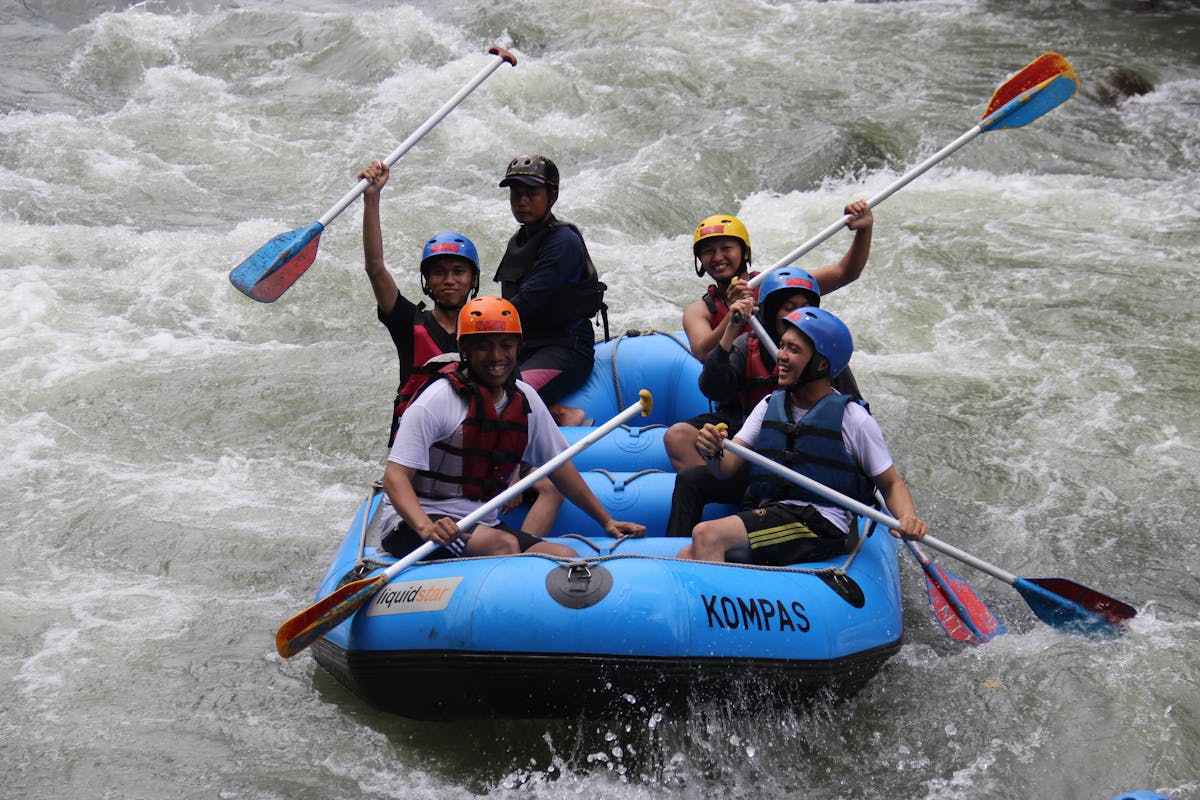
People worry about the rapids, but the river is rarely the real variable. On Class II-III water, the thing that actually determines whether your trip is safe is the company running it. A good operator turns moving water into a controlled, enjoyable experience; a careless one turns the same water into a genuine hazard.
That's why this one decision matters so much. We explain the underlying risks in our piece on whether rafting is dangerous, but the headline is simple: choose well and you've removed most of the risk before you even reach the river.
Before you book, make sure the company ticks all of these. A reputable operator meets every point without you having to push.
You don't need to interrogate anyone — but a few direct questions tell you a lot, fast. A trustworthy operator will be glad you asked:
Clear, confident answers are a great sign. Vague, evasive, or annoyed responses are a reason to walk away. We answer all of these openly on our FAQ page, and you should expect the same from anyone you book with.
This is the one that catches people out. The standard half-day rafting rate in Albania is around €40, and there's a reason it's stable: the real cost of running a safe trip — guide wages, fuel, insurance, equipment replacement — is roughly the same for everyone.
So when you see a trip advertised at €25, ask yourself where the money was saved. Usually it's older gear, uncertified guides, no insurance, or oversized groups — exactly the things that keep you safe. A fair price isn't where you should economise on a river. For the full breakdown of where the money goes, see our honest guide to rafting costs.
If you notice any of these, book with someone else — it's not worth the risk:
Choosing a rafting operator is the most important safety call you'll make, and it's an easy one to get right. Look for a licensed, insured company with certified guides and proper gear, ask a few direct questions, read recent reviews, and don't be seduced by a suspiciously low price. Do that, and you can relax and enjoy the river. If you'd like to see how we measure up, our guest reviews are a good place to start.
Choose a rafting operator that is licensed and insured, uses certified guides, provides a helmet and life jacket for every guest, gives a proper safety briefing, and checks daily water levels. Read recent reviews, confirm they carry liability insurance, and be cautious of prices well below the standard rate, which often signal cut corners on safety.
Ask whether they are licensed and insured, whether their guides are certified, what safety equipment is provided, the minimum age and group size, and whether they cancel trips when water levels are unsafe. A reputable operator will answer all of these clearly and without hesitation.
Trips priced well below the standard rate often cut costs somewhere that matters: older or worn equipment, uncertified guides, no liability insurance, or larger unsafe group sizes. The cost of running a safe trip is roughly the same for everyone, so an unusually low price is usually a warning sign rather than a bargain.
Red flags include no mention of licensing or insurance, no safety briefing, missing or poor-quality helmets and life jackets, guides who seem inexperienced, vague answers to safety questions, no reviews, and running trips regardless of dangerous water levels. Any one of these is a reason to look elsewhere.